|

|
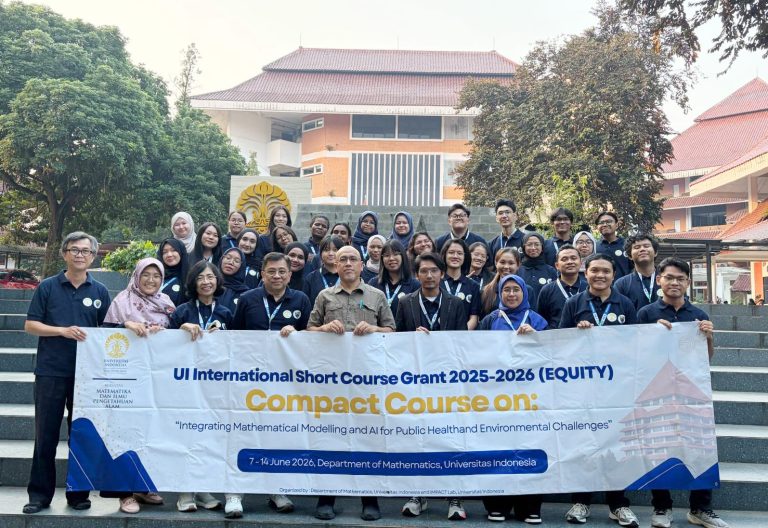
Depok, July 6, 2026 — The increasingly complex challenges of global public health and environmental sustainability have heightened the demand for science talents equipped with interdisciplinary expertise and strong international networks. In response to this need, the Faculty of Mathematics and Natural Sciences, Universitas Indonesia (FMIPA UI), through its Department of Mathematics, organized an international program Integrating Mathematical Modelling and AI for Public Health and Environmental Challenges on 7–14 June 2026.
The program was designed to strengthen students' capacity to apply mathematics, statistics, and artificial intelligence (AI) in developing data-driven solutions. Organized as part of the UI International Short Course Grant 2025–2026 (EQUITY), the program was supported through the World Class University (WCU) Universitas Indonesia funding scheme.
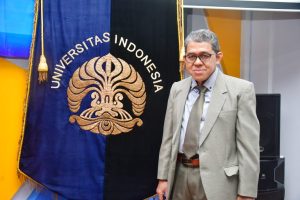
Dean of FMIPA UI, Prof. Tito Latif Indra, M.Si., stated that through the program, FMIPA UI not only provides a platform for cross-border learning but also demonstrates the vital role of the basic sciences in addressing real-world challenges faced by society.
“Through this international program, we aim to further strengthen the role of the basic sciences in developing science-based solutions to address global challenges,” said Prof. Tito.
He added that by strengthening expertise in mathematical modeling, statistics, and artificial intelligence (AI), FMIPA UI seeks to foster data-driven innovations that address challenges in public health, environmental sustainability, and sustainable development.
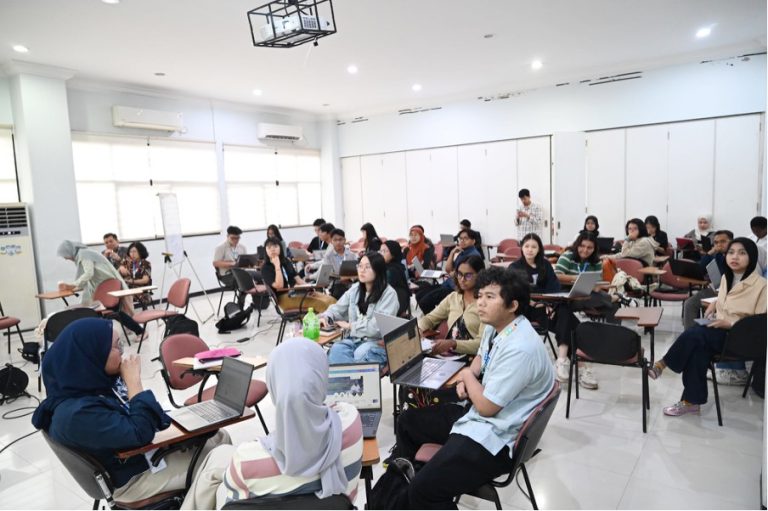
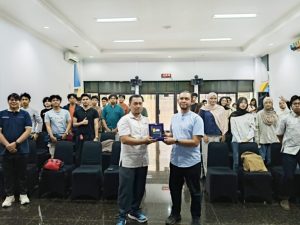
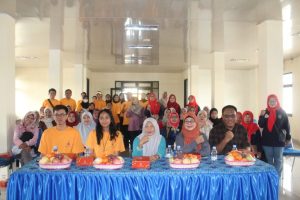
A total of 29 students participated in the program, comprising 14 students from Universitas Indonesia and 15 students from Universiti Malaya, Malaysia. They took part in intensive learning sessions on mathematical modeling, statistics, and machine learning, with applications in understanding disease transmission dynamics, ecosystem changes, and public health data analysis.
The lecture series, held from June 8–12, 2026, at the Department of Mathematics, FMIPA UI, featured a range of strategic topics integrating mathematics, statistics, and artificial intelligence (AI) to address challenges in public health and environmental sustainability.
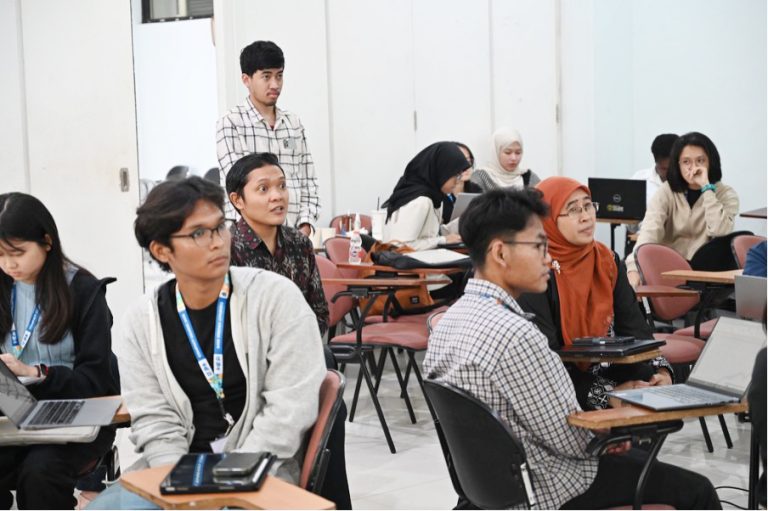
The Mathematical Ecology session was delivered by Dr. Hengki Tasman, S.Si., M.Si., focusing on the application of mathematical modeling to understand ecosystem dynamics and interactions among environmental components. Meanwhile, Dr. Dipo Aldila, S.Si., M.Si. presented the Mathematical Epidemiology session, which explored the use of mathematical models to analyze disease transmission patterns and support effective outbreak control strategies.
In the field of statistics, participants attended the Statistics for Public Health Problem session, delivered by Kurnia Susvitasari, S.Si., M.Sc., Ph.D. and Sarini Abdullah, S.Si., M.Stats., Ph.D. The session highlighted statistical approaches to analyzing and interpreting public health data to support evidence-based decision-making.
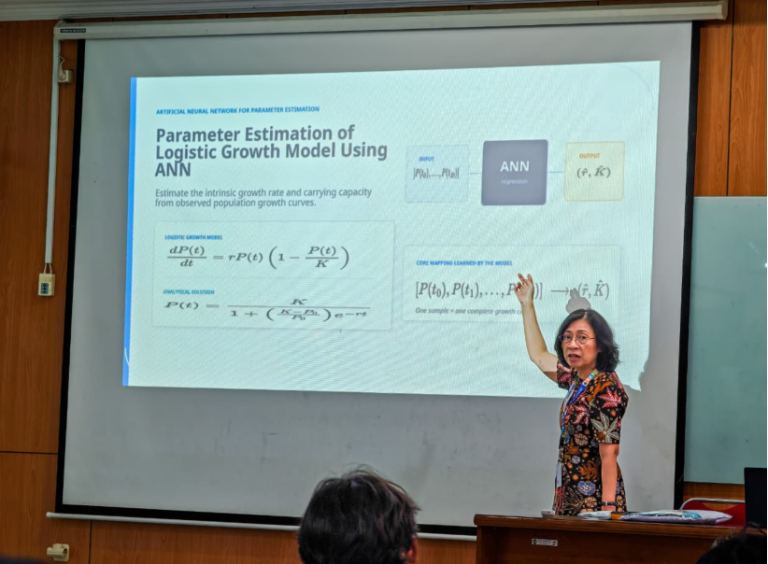
Artificial intelligence competencies were further strengthened through the Machine Learning for Public Health session, delivered by Drs. Gatot Fatwanto Hertono, M.Sc., Ph.D. and Dra. Bevina Desjwiandra Handari, M.Sc., Ph.D. The session explored the application of machine learning techniques to large-scale health data analysis, including their use in generating data-driven predictions and recommendations.
Learning extended beyond classroom lectures. Students from both universities were assigned to collaborative teams to tackle case studies representing real-world public health and environmental challenges. Over the course of three days, they developed mathematical models, analyzed data, designed AI-based approaches, and presented their findings to faculty members during the Progress Day sessions and the final presentations.
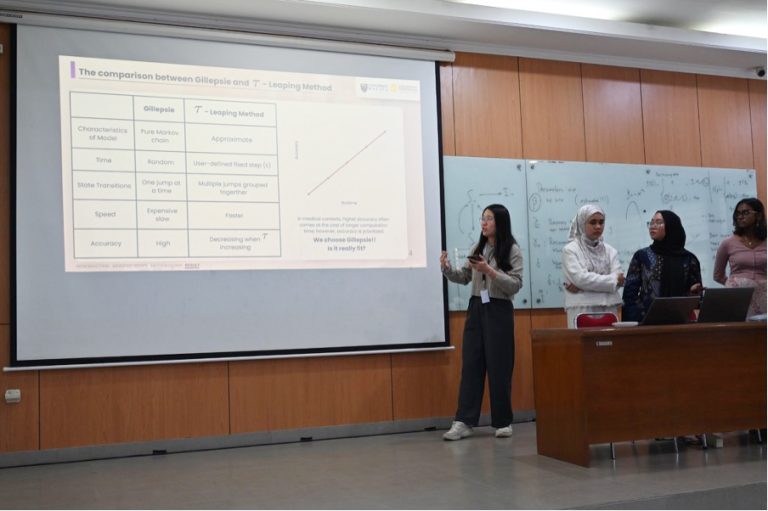
This project-based learning approach was designed to strengthen students' analytical skills while fostering cross-cultural and interdisciplinary collaboration—competencies that are increasingly essential in modern scientific research.
In addition to the academic program, participants took part in a cultural visit to Taman Mini Indonesia Indah on June 13, 2026, as part of efforts to strengthen cross-cultural exchange among students. The academic and social interactions fostered throughout the program are expected to lay the foundation for future educational and research collaborations between Universitas Indonesia and Universiti Malaya.
The program concluded with a final assignment submitted online in July 2026 as part of the participants' learning assessment. More than just a short-term academic initiative, the short course reflects FMIPA UI's commitment to fostering a collaborative, innovative, and globally relevant education and research ecosystem by leveraging the strengths of the basic sciences.