|

|
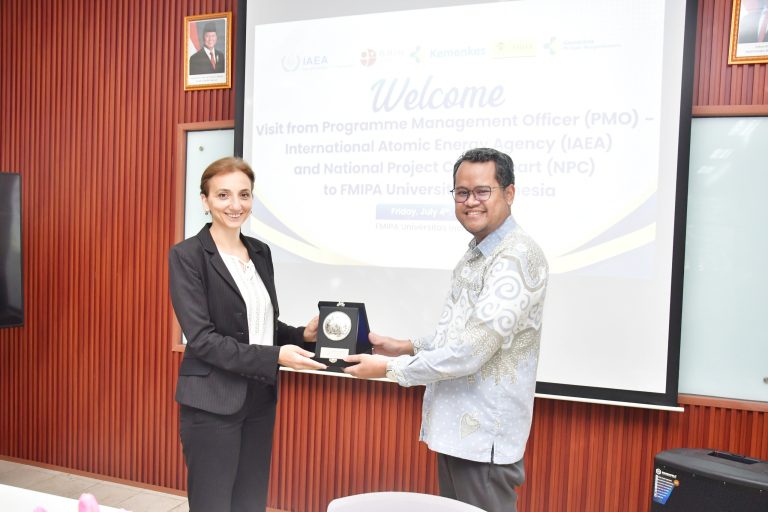
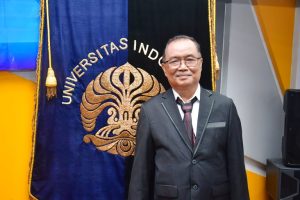
The Faculty of Mathematics and Natural Sciences, Universitas Indonesia (FMIPA UI), received a visit from Petra Nabil Salame, Programme Management Officer (PMO) of the International Atomic Energy Agency (IAEA), on Friday (July 4) at the UI Campus in Depok.
The purpose of this visit was to conduct monitoring and technical discussions regarding the implementation of the 2024–2025 Technical Cooperation Program (TCP), which is currently being carried out by FMIPA UI in collaboration with the National Project Counterpart (NPC) team.
The TCP is a technical cooperation program initiated by the IAEA to support its member states in the peaceful and sustainable use of nuclear technology, particularly in the fields of health, agriculture, energy, and the environment.
In Indonesia, the main focus of this program is strengthening national capacity in the application of radiation in the health sector, including the development of Medical Physics through improving human resource competencies, enhancing research infrastructure, and expanding national and international collaboration networks.
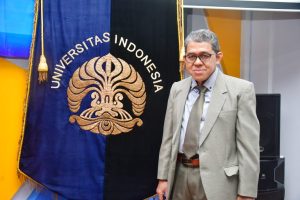
In his remarks, Dr. Lukmanda Evan Lubis, Manager of Cooperation, Ventures, and Alumni Relations at FMIPA UI, expressed his appreciation for the trust placed by the IAEA and the International Nuclear Agency Indonesia (INuA) in FMIPA UI as a key partner in the implementation of this strategic program.
“We express our gratitude to INuA and the IAEA for the support they have provided to FMIPA UI in preparing the necessary resources for our country to enhance and promote the safe use of radiation in the health sector. We hope this long-standing collaboration can continue and make a meaningful impact,” said Dr. Lukmanda (delivered in English).
Petra Nabil Salame emphasized that this visit is part of IAEA’s regular agenda to ensure the smooth implementation and effectiveness of the technical cooperation program. She expressed appreciation for FMIPA UI’s commitment in supporting the program’s success.
“IAEA is always pleased to support the development of medical physics in Indonesia through its collaboration with FMIPA UI. We hope this partnership will continue in order to enhance medical radiation safety in Indonesia,” said Petra.
Following the opening session, the event continued with a technical discussion between Petra and the NPC team, addressing various challenges in program implementation, follow-up plans, and strategies to expand the program’s impact on communities and health education institutions in Indonesia.
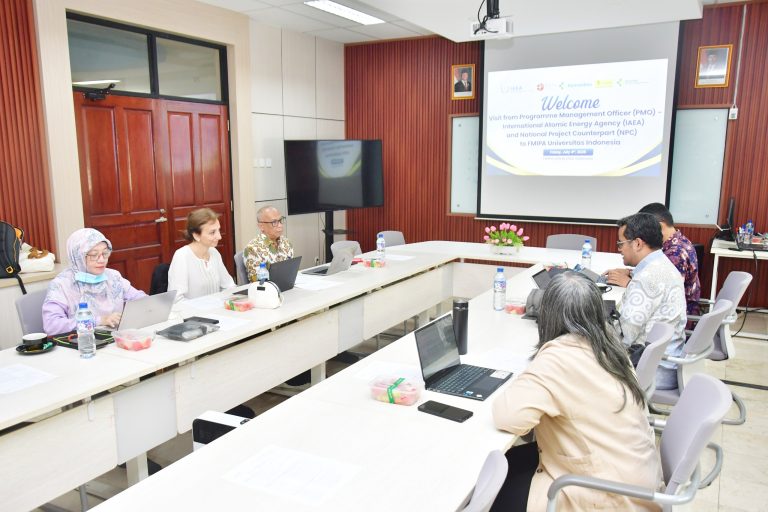
The discussion also highlighted several key achievements during the first half of 2024, including the enhancement of supporting laboratory capacity, the strengthening of a curriculum based on IAEA standards, and FMIPA UI’s collaboration with hospitals and research institutions in testing and validating the latest radiation technologies.
On this occasion, FMIPA UI and the IAEA also reviewed the progress of the 2024–2025 Nuclear for Health Program, part of the TCP initiative. The program includes training for Medical Physics personnel, the development of nuclear technology-based learning modules for higher education institutions, and the integration of applied research outcomes into national medical services, particularly in the fields of radiotherapy and nuclear medicine.
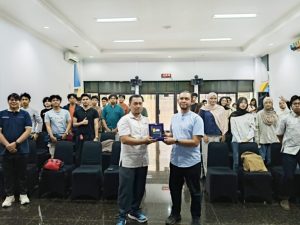
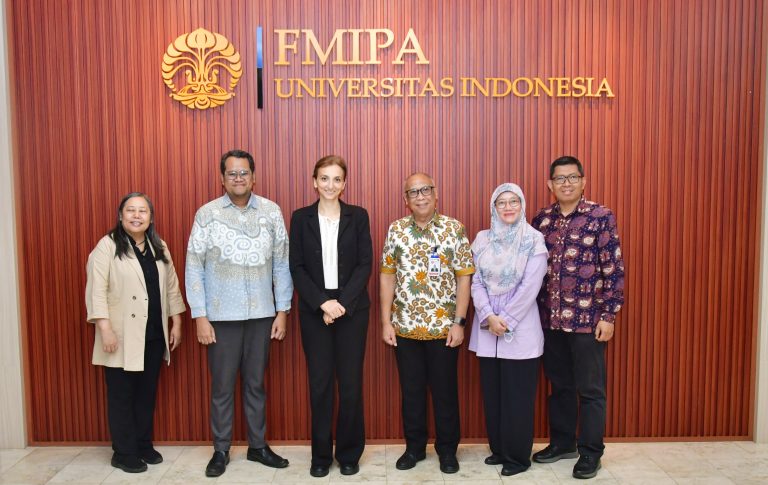
The event, held at the FMIPA UI Administrative Center Building, UI Campus Depok, was also attended by the FMIPA UI management team, the NPC team, and the Executive Director of INuA, Totti Tjiptosumirat.
This visit not only strengthened the institutional relationship between FMIPA UI and the IAEA but also reinforced FMIPA UI's position as a center of excellence in the development and application of nuclear technology for the health sector in Indonesia.