|

|
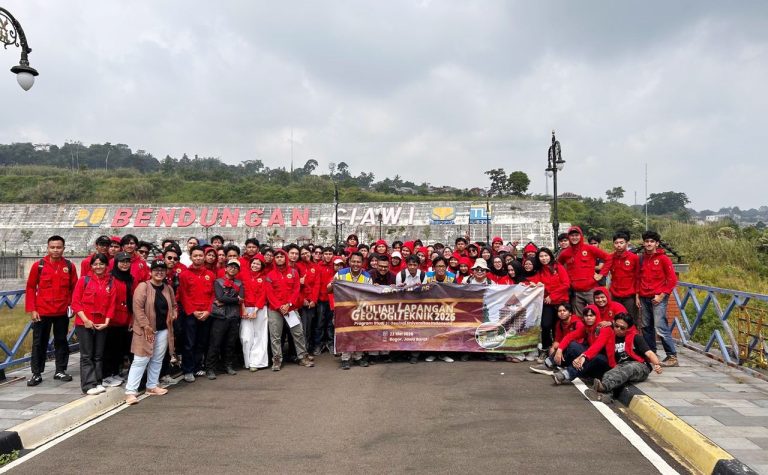
Depok, June 2, 2026 — Amid the increasing frequency of extreme weather events and the growing threat of flooding across various regions of Indonesia, a strong understanding of engineering geology and water resource management has become increasingly important. Flood-control infrastructure such as dams serves not only as a disaster mitigation measure but also as a valuable field laboratory for future geologists to examine the relationship between geological conditions, engineering design, and public safety.
Responding to this need, the Geology Study Program of the Faculty of Mathematics and Natural Sciences, Universitas Indonesia (FMIPA UI), conducted a field study for the Engineering Geology course at the Ciawi and Sukamahi Dry Dams in Bogor Regency, West Java, on Friday, May 23, 2026. The field activity provided students with direct exposure to the geological and engineering aspects of major flood-control infrastructure projects.
The field activity aimed to deepen students’ understanding of engineering geology, dam geotechnics, and flood management systems implemented in Indonesia. In addition to providing hands-on learning experiences, the program introduced students to the various technical and geological challenges encountered in the construction, operation, and management of water-resource infrastructure.
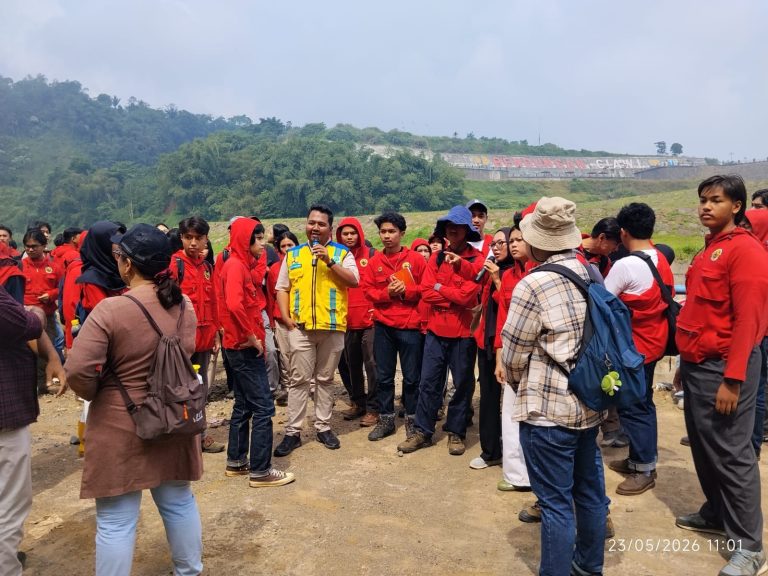
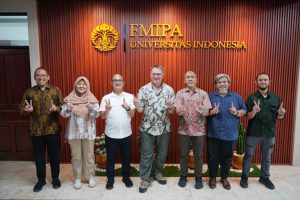
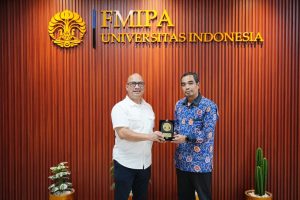
The activity began with opening remarks from Prahasdipta Bayu Adhi Koesoemo, Head of Dam Management Unit (UPB) I of the BBWS Ciliwung Cisadane, along with representatives from the Geology Study Program of FMIPA UI. During the session, both parties emphasized the importance of collaboration between higher education institutions and infrastructure management agencies in advancing the development of applied geology in Indonesia.
“Field-based learning is an essential component in preparing human resources capable of addressing future challenges in water resource management,” said Prahasdipta Bayu Adhi Koesoemo
“Dams are not only flood-control infrastructure but also excellent learning facilities for understanding how geology, geotechnics, and engineering work in an integrated manner. We hope that students can directly observe the practical application of the knowledge they learn in the classroom while gaining a deeper understanding of the real-world challenges involved in managing hydrological disaster risks in Indonesia,” said Bayu.
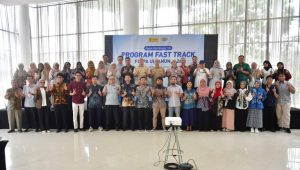
The program continued with a public lecture featuring several speakers from the BBWS Ciliwung Cisadane and dam engineering experts. The first session, titled “The Philosophy of Floods,” was delivered by Rafii, Advisor to BBWS Ciliwung Cisadane.
In his presentation, Rafii explained that floods are a natural part of the hydrological cycle. The primary challenge is not to eliminate floods entirely, but rather to manage their risks and impacts through effective planning, adequate infrastructure development, and increased public awareness.
“Floods cannot be completely avoided, but their risks can be managed through proper planning and preparedness,” said Rafii
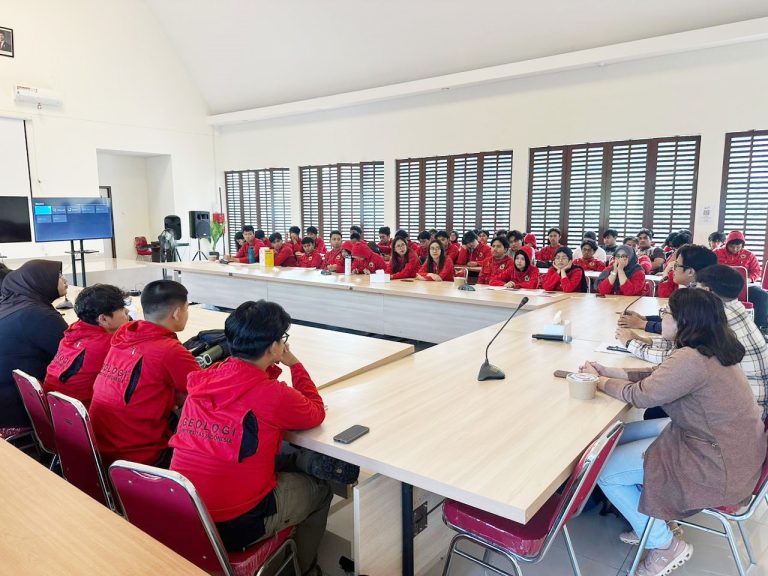
Next, Prahasdipta Bayu Adhi Koesoemo presented the flood management system based on the dry dam concept implemented at the Ciawi and Sukamahi Dry Dams. According to him, dam planning must take into account a wide range of flood scenarios, from events that recur every few decades to the Probable Maximum Flood (PMF)—the largest flood event that could theoretically occur under the most extreme hydrological conditions.
He explained the concepts of 50-year floods, 100-year floods, and the Probable Maximum Flood (PMF), which serve as key references in determining dam capacity and safety standards. These flood scenarios form the basis for designing and operating dams to ensure they can effectively withstand and manage potential extreme flood events.
“Dams must be designed to withstand a wide range of scenarios, including the most extreme flood events that could potentially occur,” he said.
The next session focused on the geotechnical aspects of dam engineering, presented by dam engineering expert Buhori. He explained that geotechnics forms the fundamental basis of dam construction. A comprehensive understanding of soil and rock characteristics is essential to ensure that dam structures meet safety standards and perform effectively over the long term.
“The success of a dam begins with a proper understanding of the soil and rock conditions at the construction site,” said Buhori.
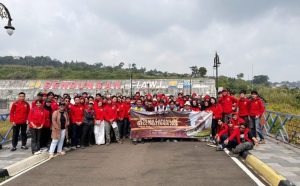
Following the public lecture sessions, the students conducted field observations at several strategic locations within the dam complex. At the first site, located at the inlet area of the Ciawi Dry Dam, participants examined the flow of water through the dam structure and studied the local geological conditions, including rock outcrops exposed along the dam walls.
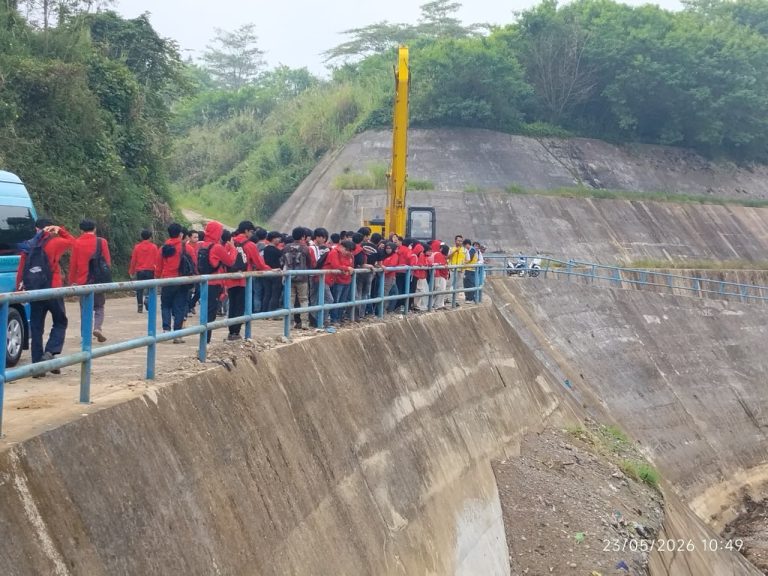
The visit then continued to the crest area of the Ciawi Dry Dam. At this location, students received explanations regarding the dam’s monitoring and maintenance systems, which play a crucial role in ensuring structural safety and the long-term sustainability of the dam’s functions.
After a break, the activity continued to the Sukamahi Dry Dam. At the third site, located in the crest area of the dam, students studied the differences in construction methods and technical challenges between the Ciawi and Sukamahi dams. Buhori explained that the fill materials for the Sukamahi Dam were sourced from outside the local area due to differences in design slope steepness compared to the Ciawi Dam.
The activity concluded with a visit to the spillway of the Sukamahi Dry Dam. At this location, students studied the water overflow mechanism during high flood discharge events and the function of the spillway in preventing overtopping, which could threaten the structural stability of the dam.
Through this field lecture, students not only gained direct hands-on learning experience in the field but also developed an understanding of how engineering geology, geotechnics, and hydrological disaster mitigation concepts are applied in national strategic infrastructure. This experience is expected to broaden students’ perspectives on the role of geological science in supporting water resource management and disaster risk reduction efforts in Indonesia.