|

|

The Department of Mathematics, Faculty of Mathematics and Natural Sciences, University of Indonesia (FMIPA UI), held a guest lecture on the theme “Recognizing and Responding to Problematic Students” on Wednesday (14/5), held in the lecture room of the Mathematics Department, FMIPA UI, UI Depok Campus. This activity aims to increase awareness and capacity of lecturers in dealing with students who experience psychological and social problems.
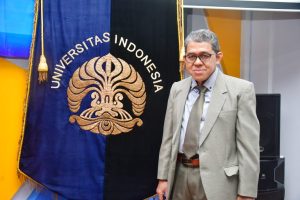
This guest lecture presents a resource person, dr. Sylvia Detri Elvira, Sp.KJ(K), a psychiatrist from the Psychotherapy Division, Department of Psychiatry, FKUI-RSCM, who is also a member of the FKUI Student Guidance & Counseling Team. The event was hosted by Prof. Dr. Kiki Ariyanti Sugeng, Professor of the Department of Mathematics, FMIPA UI.
The implementation of this activity was motivated by concerns about the increasing number of students experiencing stress due to academic, economic, family, or social factors which are feared to have an impact on the smoothness of their studies and quality of life.

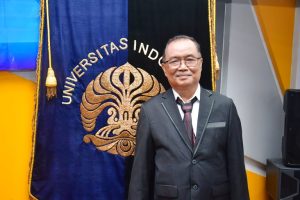
In his remarks, the Head of the Mathematics Department of FMIPA UI, Prof. Alhadi Bustamam, Ph.D., emphasized the importance of the role of lecturers in maintaining students' mental health. He stated that students not only need to be guided in academic matters, but also need attention from an emotional and psychological perspective.
"Students are the nation's intellectual assets that we must protect together. Through this activity, we hope that lecturers can better understand and be sensitive to the signs of students who are facing problems," said Prof. Alhadi.
Furthermore, Prof. Alhadi said that this activity was the initial step of the Mathematics Department of FMIPA UI in building a more structured psychosocial support system in the academic environment.
"In the future, we plan to carry out activities like this periodically, as part of efforts to increase literacy, and concern for mental health issues among lecturers and educators," he added.
In her presentation, dr. Sylvia explained that students often face heavy pressure that can develop into mental disorders, such as severe stress, anxiety, and depression. He emphasized the importance of the role of lecturers as the frontline in detecting and responding early to students who show symptoms of psychological disorders.
He also added that empathy, sensitivity, and communication skills are important skills that educators need to have tod
"Lecturers need to be safe and supportive parties, who can open up space for students to talk and seek help," he explained.

In addition to discussing the causes and common symptoms, Dr. Sylvia also explained how to build a healthy relationship between lecturers and students, and explained the referral procedure if a case is found that requires professional treatment.
He emphasized that being an academic advisor is one of the “the multiple roles of a teacher”, in addition to the role as a learning facilitator, mentor, or tutor. Therefore, this role does not only cover academic aspects, but also functions as a counselor who accompanies students in facing non-academic challenges.
As academic advisors, lecturers have a strategic position in detecting students' adaptability and resilience. This detection can be done subjectively through students' stories or complaints to friends, peer counselor, or lecturers or objectively, such as changes in behavior, decreased achievement, or decreased attendance. If these symptoms are found, lecturers are expected to provide initial assistance and direct students according to the support flow available in the system. student support.
“This approach requires sensitivity, communication skills, and cross-role collaboration in the academic environment to ensure students receive appropriate and timely assistance,” he added.
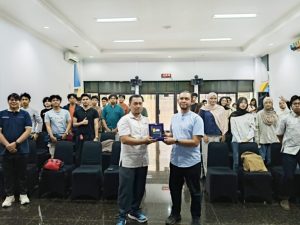
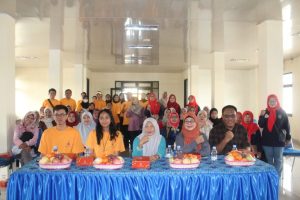
This guest lecture was attended by lecturers from the Department of Mathematics, FMIPA UI. The discussion session was dynamic, with many participants raising real cases they faced in the field and asking for direct advice from the speakers.